Occupational Science Europe Conference 2027
Occupational Science without Borders: Intercultural connections for a relevant study of occupation
The 9th Occupational Science Europe Conference will be hosted by the Department of Occupational Therapy at the Faculty of Health Science, University of Ljubljana, Slovenia
Main programme: Friday 20th and Saturday 21st August 2027
Pre-conference workshops: Thursday 19th August 2027
Call for abstracts
The Occupational Science Europe Conference 2027 (OSE 2027) invites everyone with an interest in occupational science to submit their work. Hosted by the Faculty of Health Sciences, University of Ljubljana, the conference will offer a dynamic and inclusive platform for sharing knowledge, fostering interdisciplinary collaboration, and advancing the field of occupational science.
Organised around four key thematic areas—Expanding Methods and Meanings, Plural Perspectives on Occupations, Transitions and Transformations, Bridging the Gap between Theory and Practice—OSE 2027 will highlight both established knowledge and emerging directions in the field. The programme will feature oral presentations, poster sessions, and interactive workshops, creating opportunities for meaningful exchange and engagement. Pre-conference workshops will also be offered.
We are planning to include a dedicated Student Section with a competition, which will provide a supportive space for undergraduate and master’s students to present their research and connect with the wider academic community.
Join OSE 2027 in Ljubljana to engage in inspiring discussions, expand your professional network, and contribute to shaping the future of occupational science.
Abstract submission opens on September 15th.
We are pleased to announce that the abstract submission for the Occupational Science Europe Conference 2027 is now open. Please carefully read the submission instructions below to ensure your submission meets the specified requirements.
When submitting your abstract, you will be able to choose the preferred submission type:
- Oral presentation (15 min)
- Poster with a 3-minute pitch
- Poster (without a pitch)
- Workshop (60 min)
- Student section
The word limit for all submission types is 250 words, excluding the title, keywords (3-5) and references.
Abstracts may be structured or unstructured.
At the end of the abstract, up to 5 references can be added to support the submission.
Abstracts should be written in English and align with at least one of the conference themes (however, when submitting, please choose the theme that is most relevant for your submission).
Implications for occupational science should be clearly stated in all submissions.
All submissions will undergo blind review by two reviewers. During the review process, the reviewers may suggest a change to the type of submission. Submitting authors will be notified regarding abstract acceptance by March 14th, 2027.
Submission types
For oral presentations and posters, we suggest that the abstract includes the following sections: introduction/background, aims, methods, results/findings, discussion and conclusion, relevance/implications for occupational science.
For workshops, the abstract should include the following sections: background, aims, methods, workshop outcomes, relevance/implications for occupational science.
The student section is aimed at undergraduate and master’s students. This section will include oral presentations (see guidelines above for what to include in an Abstract) and will be chaired by a graduate student. A prize for the best student submission will be awarded at the end. Please note that students can also submit to all other submission types if the quality of submission is deemed appropriate by their supervisor(s).
Pre-conference workshops
19 August will be dedicated to pre-conference workshops, which can run for a half-day (3 hours) or a whole day (6 hours).
We will be accepting submissions for pre-conference workshops via the same form as all other types of submissions, so please follow the instructions for workshops listed above when submitting the abstract. On the form, choose the length of your proposed pre-conference workshop. The review process will be the same as for other submissions.
To submit your abstract, go to:
You will need to register at Oxford Abstracts to submit your abstract.
Conference Themes / Konferenčne teme
Expanding Methods and Meanings: How We Study Occupation in Diverse Ways
This theme focuses on how we study occupation, encompassing both established and novel research practices, such as non-verbal and embodied research methods. To support rigorous and inclusive study of human occupation across various settings and populations, we need to consider not only methodologies we are already comfortable and familiar with, but also methodological innovation and the use of multiple research methods. Submissions highlighting different approaches to studying occupation, as well as critical reflections on methodological choices and applications, are welcome.
Preseganje ustaljenih raziskovalnih pristopov: Kako lahko na raznolike načine raziskujemo okupacijo
Ta tema vključuje različne načine preučevanja okupacije, od uveljavljenih do novejših raziskovalnih pristopov. Za kakovostno in vključujoče preučevanje človekove okupacije v različnih okoljih in med različnimi populacijami je pomembno, da poleg dobro poznanih metod (npr. intervjujev, anket) uporabljamo tudi metodološke novosti (npr. neverbalne metode) ter smiselno povezujemo različne raziskovalne pristope. Dobrodošli so prispevki, ki predstavljajo različne pristope k raziskovanju okupacije ter kritični razmisleki o tem, kako lahko njihova izbira in uporaba prispevata k boljšemu razumevanju človekove okupacije.
Plural Perspectives on Occupations: How Occupations Are Shaped by Power and Sociopolitical Conditions
This theme focuses on how engagement in occupations is shaped by political, economic, historical and social conditions, which can either enable participation or perpetuate inequality and create privilege. Submissions addressing various forms of occupational injustice, occupational resistance, and intersectionality are encouraged, as are those presenting perspectives and voices that complement the existing body of knowledge in occupational science, including critical reflections on how occupational science has been accepted, developed and applied within and beyond English-speaking countries.
Raznolikost pogledov na okupacijo: Kako družbenopolitične okoliščine oblikujejo naše okupacije
Na vključevanje in sodelovanje ljudi v okupacijah močno vplivajo politične, ekonomske, zgodovinske in družbene okoliščine. Te lahko ljudem omogočajo vključevanje v zanje pomembne okupacije ali pa predstavljajo ovire, ohranjajo neenakosti in privilegiranost. Dobrodošli so prispevki o okupacijski nepravičnosti, uporabi okupacije kot sredstva upora ter vplivu prepletanja različnih osebnih in družbenih okoliščin na posameznikovo življenje in izvajanje okupacij. V to temo sodijo tudi prispevki, ki obravnavajo razvoj, uporabo in širjenje okupacijske znanosti v ne-angleško govorečih državah.
Transitions and Transformations: Occupations Across Life Paths
This theme focuses on an occupational perspective on life transitions and their consequences on both personal and societal levels, inviting submissions that describe occupations across the life span. Different areas of occupation are of interest, including research on inter-generational dynamics, human collaboration and inter-species interactions.
Prehodi in preobrazbe: Okupacije skozi življenjska obdobja
Ta tema obravnava spreminjanje okupacij skozi različna življenjska obdobja in preučuje njihov vpliv na posameznika in širšo družbo. Dobrodošli so prispevki, ki se navezujejo na različna področja človekovega delovanja, vključno z raziskavami medgeneracijskih odnosov, medosebnega sodelovanja ter interakcij med ljudmi in drugimi živalskimi vrstami.
Bridging the Gap between Theory and Practice: Implementation of Occupational Science Theory and Concepts
Occupational science supports occupation-centred practice by producing four levels of knowledge: descriptive, relational, predictive and prescriptive. This theme focuses on occupational science research that is connected to practice implementation, showcasing how occupational science’s theories and concepts can support and improve evidence-based practice. Submissions may include, but are not limited to, challenges related to developing or evaluating occupation-based interventions or translating theory into practice.
Od teorije k praksi: Uporaba teorij in konceptov okupacijske znanosti
Okupacijska znanost podpira na okupaciji temelječo prakso z ustvarjanjem znanja na različnih ravneh. Ta tema se osredotoča na uporabo izsledkov okupacijske znanosti v praksi, ter prikazuje, kako lahko teorije in koncepti okupacijske znanosti podpirajo in izboljšujejo na dokazih temelječo prakso. Prispevki lahko naslavljajo izzive in priložnosti, povezane z razvojem ali vrednotenjem na okupaciji temelječe obravnave ter prenosom teorije v prakso.
Key dates
September 15th 2026 – December 15th 2026 – Abstract submission (for oral presentations, posters, workshops, pre-conference workshops, and students’ submissions)
February 20th 2027 – Registration opens (Early Bird until May 30th)
March 14th 2027 – Information on abstract acceptance
July 20th 2027 – Registration closes
August 19th 2027 – Pre-conference workshops
August 20th and 21st – Conference main program
Keynote speakers
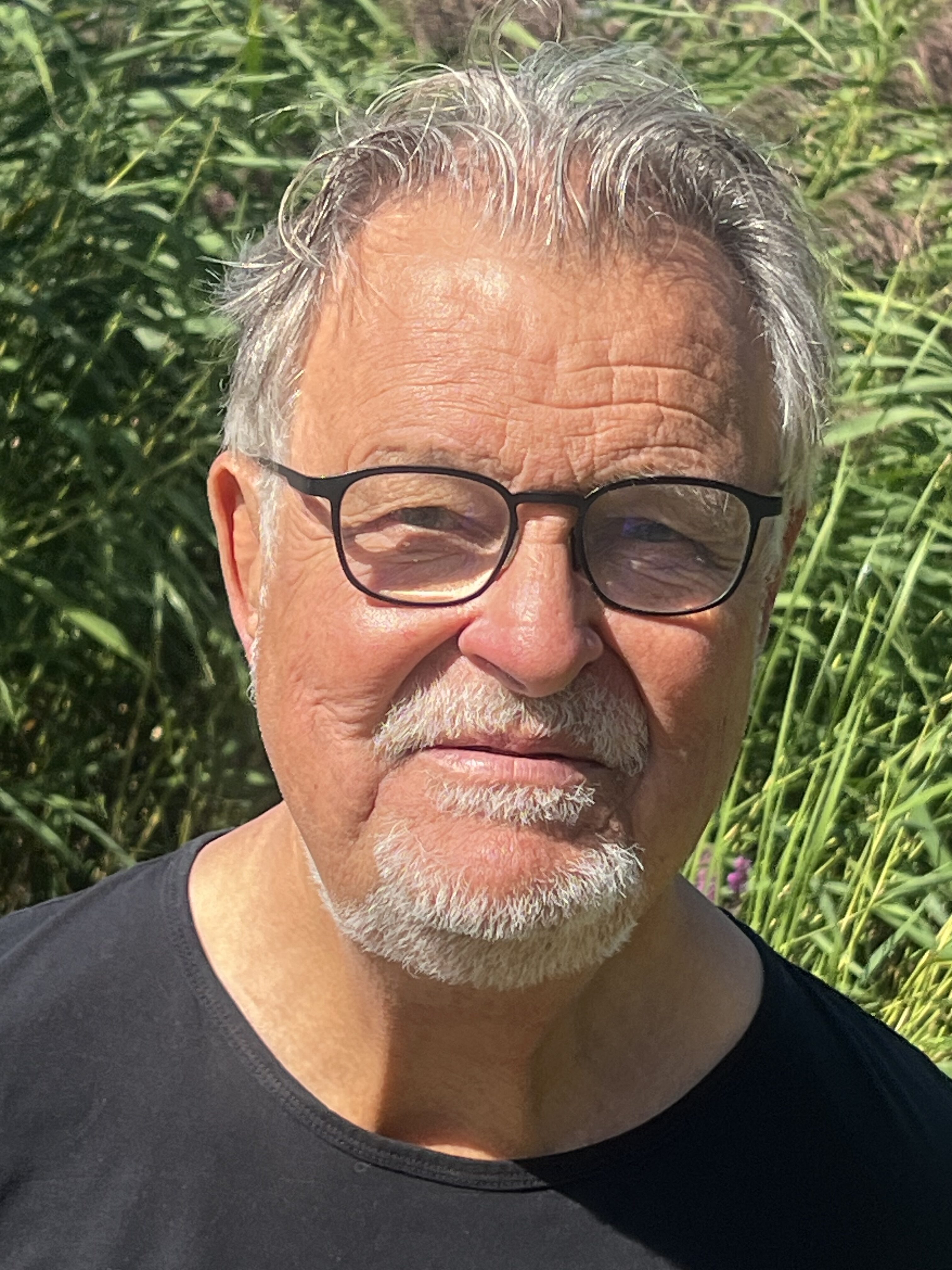
Title: Going from basic research over conceptualisation and operationalisation to apply knowledge for the benefit of people
Theme: Bridging the gap between theory and practice
Keynote description:
This presentation will take you on a journey of about 25 years that starts with exploration and discovery in basic research on occupation. It continues with how a theoretical concept is developed and operationalised from these discoveries. From that platform it will further describe how this is applied in prevention in different areas to enhance health and wellbeing of people.
Speaker biography:
Hans is Associate Professor in Occupational Therapy at Karolinska Institutet in Stockholm, Sweden. He is also a former Professor in Occupational Therapy and Occupational Science at the University of Southern Denmark in Odense, Denmark. Hans has researched different people’s experiences of occupation during four decades and developed basic theoretical concepts – like engaging occupation. He also shares an interest in developing theory into practice that has the potential to contribute to change people’s everyday life for the better.
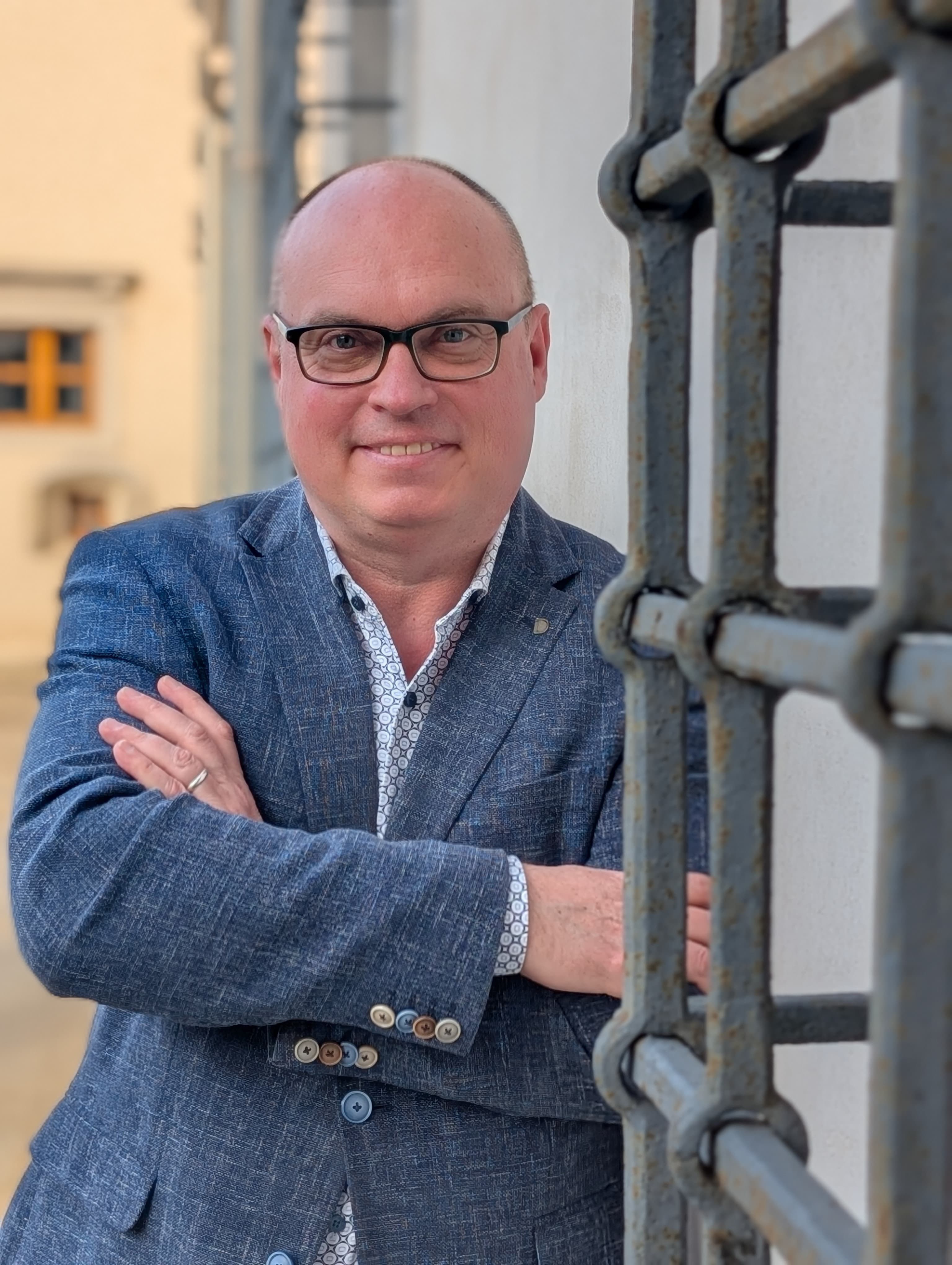
Title: In Search of Meaning in a Post-Work Society.
Theme: Transitions and transformations
Keynote description
Digital transformation, driven by AI, automation and robotisation, is profoundly reshaping both paid employment and the organisation of everyday life. This transformation raises a fundamental question addressed in the plenary talk: how can people sustain a sense of meaning, identity and belonging when work is no longer the central organising principle of their lives? Drawing on ethnographic research and participatory future-mapping, the talk explores how people imagine meaningful occupations, forms of social contribution and community life in post-work futures. It argues that the central challenge is not to preserve current employment at any cost – including what anthropologist David Graeber termed “bullshit jobs” – but to ensure that people can remain meaningfully occupied, socially recognised and connected to others.
Speaker biography
Dan Podjed, PhD, is an anthropologist, Senior Research Fellow at the Research Centre of the Slovenian Academy of Sciences and Arts, Institute of Slovenian Ethnology, Full Professor at the University of Ljubljana, Faculty of Arts, and Domain Specialist at the Institute for Innovation and Development of the University of Ljubljana. He is the founder and Executive Advisor of the EASA Applied Anthropology Network and the initiator of the international event Why the World Needs Anthropologists, held annually since 2013.
The Slovenian Research and Innovation Agency recognised his work as an outstanding scientific achievement in 2011 and again in 2021. His statement that “happiness isn’t found inside, but beside us” attracted widespread public attention and was selected as Bob leta 2022, a prominent Slovenian award presented by the newspaper Večer for the year’s most memorable public statement. He also received the honorary title of Science Communicator of the Year 2024 from the Slovenian Science Foundation.
For more information, visit danpodjed.eu.
Registration fees
| Early Bird Registration (Feb 20th – May 30th) | Regular registration – subject to availability* (May 31st – July 20th) | One day attendance | |
| Pre-conference day (August 19th) |
50 EUR | 60 EUR | – |
| High income countries | 270 EUR | 350 EUR | 160 EUR |
| Low and middle-income countires (+retired) | 160 EUR | 220 EUR | 95 EUR |
| Students (BSc, MSc – studying full time) | 80 EUR | 80 EUR | 50 EUR |
*The capacity of the conference is 240 delegates per day. When the number is reached, the registration will close.
Registration fee includes lunches and coffee breaks.
Registration opens February 20th, 2027.
Conference committee
Behind this conference is a dedicated team of individuals, passionate about occupational science and working together to create the best possible experience for everyone involved.
The Faculty of Health Sciences and the Department of Occupational Therapy are delighted to be joined by our colleagues from the University Rehabilitation Institute Soča, Center Korak and the University Medical Centre Ljubljana in preparing this event and advancing occupational science in Slovenia and the wider region. This is not only a scientific conference, but also a project around which a community is being built.
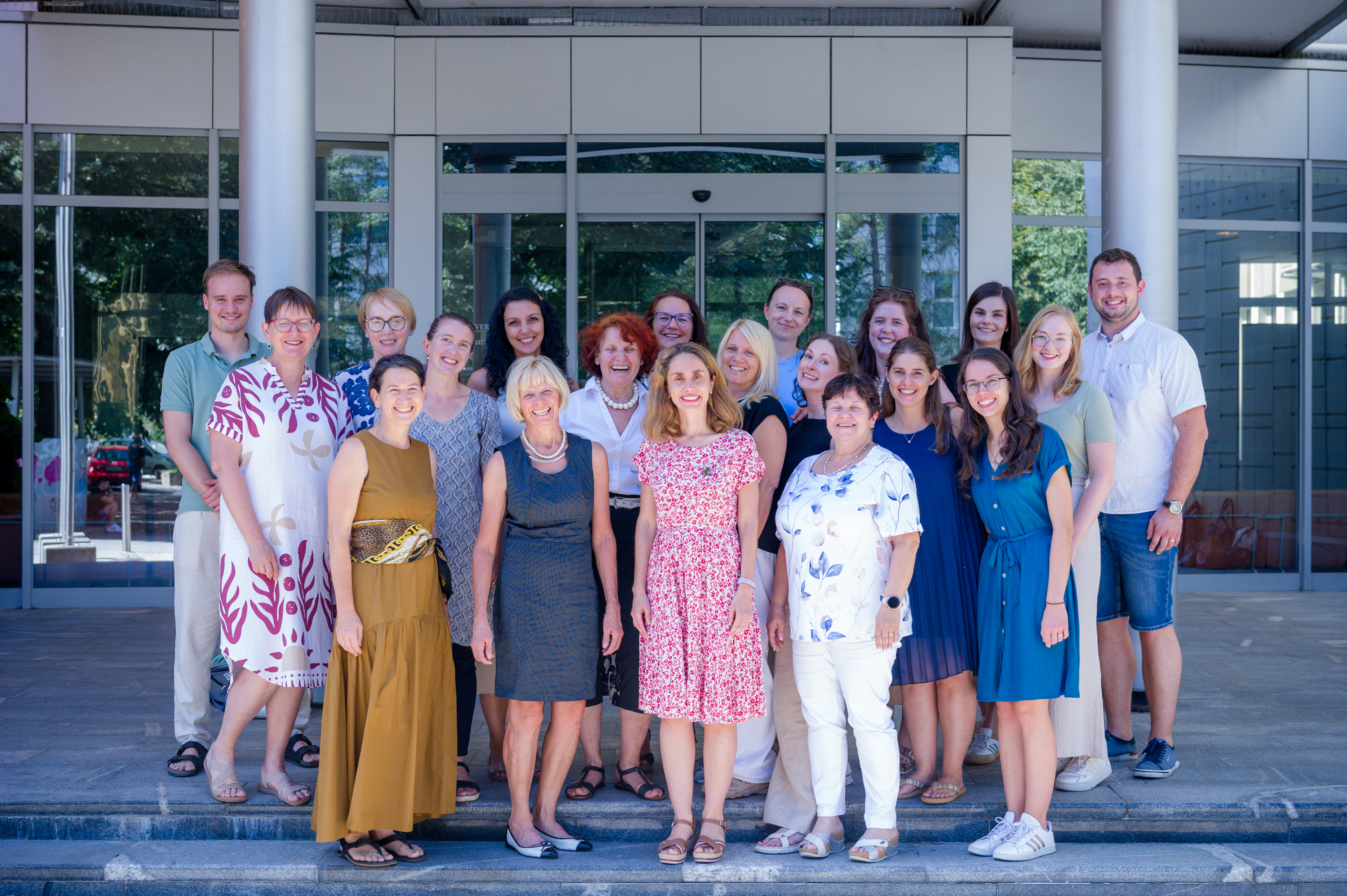
Urša Bratun
Chair: Urša Bratun
Co-chair: Cecilija Lebar
Members:
- Tina Brezovar
- Julia Jansen van-Vuuren
- Jerneja Križaj
- Ema Mlakar
- Zorana Sicherl
- Alenka Oven
- Tina Brezovar
- Manca Čot
- Eva Grudnik
- Sara Jaklič
- Marcel Kepic
- Laura Maučec
- Neža Pelko
- Aleks Turel
- Larisa Zabukovnik
Chair: Jerneja Križaj
Members:
- Katja Angleitner
- Ana Miklavčič
- Alenka Plemelj-Mohorič
- Urša Bratun
Chair: Nevenka Gričar
- Alenka Plemelj-Mohorič
- Vesna Osojnik
Contacts
For general information and all queries relating to the conference program, please contact:
Urša Bratun: ursa.bratun@zf.uni-lj.si
Cecilija Lebar: cecilija.lebar@zf.uni-lj.si
For queries relating to publicity, media and promotion, please contact:
Tina Brezovar: tina.brezovar@ir-rs.si
For queries relating to unconferencing activities, please contact:
Jerneja Križaj: jerneja.krizaj.korak@gmail.com